Table of Contents
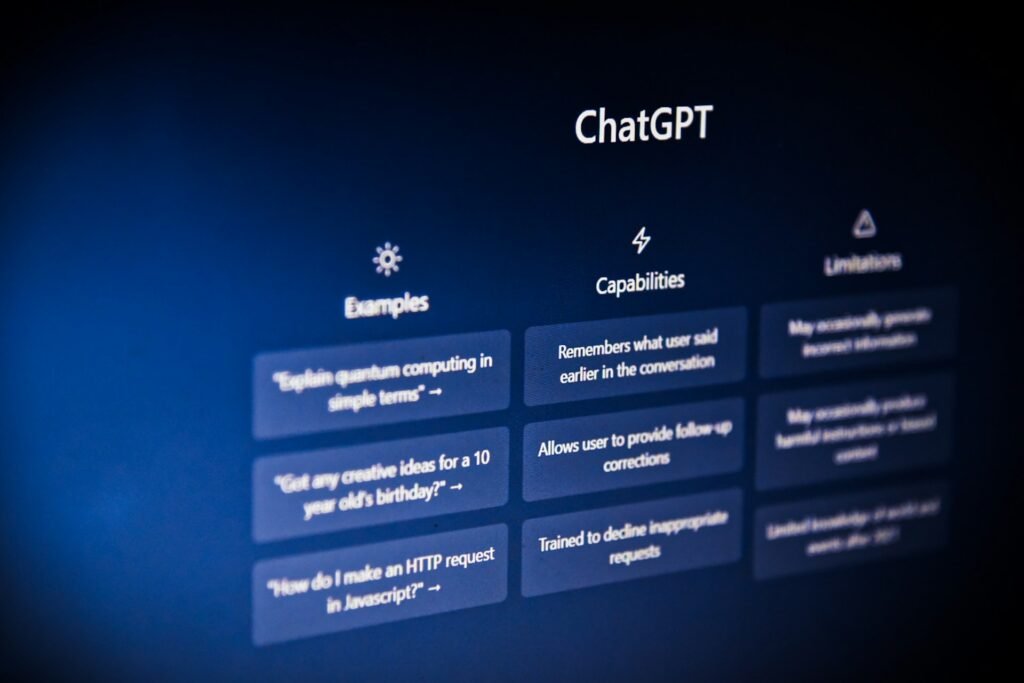
Every few years someone declares link building dead. It never quite dies — it just changes shape. This time, though, the pressure isn’t coming from a Google algorithm update. It’s coming from the fact that a growing share of people never see a list of blue links at all. They ask ChatGPT, they skim an AI Overview, they let Perplexity summarize the answer, and they move on.
That changes what a link is for. And if you build links for a living, or you pay someone who does, it’s worth being honest about what still works and what was always theatre.
Do Backlinks Still Matter for SEO in AI Search?
Start with the uncomfortable good news: backlinks remain load-bearing. AI answers are not conjured from nothing — they’re assembled from sources, and those sources skew heavily toward pages that already rank. One analysis cited in Search Engine Journal found that roughly 76% of pages cited in AI Overviews also appear in Google’s top 10 organic results. Whatever earns you a top-10 position — and links are still a big part of that — also buys you a lottery ticket in the AI answer.
So the fundamentals hold. Ahrefs’ guide to link building is nearly a decade old in spirit and still describes the job accurately: earn references from pages people actually trust, on topics you actually deserve to be trusted on. Nothing about generative AI invalidates that.
What generative AI does invalidate is the industrial middle of the market — the guest post farms, the DR-chasing, the “40 links a month” retainers. Those links were always weak. They’re now weak and pointed at a funnel that increasingly ends inside a chatbot rather than on your site.
Brand Mentions vs Backlinks: The New Link Building Currency
Here’s the shift that matters most, and it’s genuinely new.
Large language models don’t need a hyperlink to learn that your brand exists. They need text. A sentence naming you next to your competitors in a “best tools for X” roundup teaches the model something whether or not that sentence contains an anchor tag. Ahrefs studied roughly 75,000 brands and found that branded web mentions had the strongest correlation with AI visibility of everything they tested — a correlation of about 0.67, which in this field is enormous. Search Engine Journal covered the finding, and Ahrefs built the AI Overviews tracker and Brand Radar around the same thesis.
If that sounds familiar, it should. Moz was writing about brand mentions as the future of link building back in 2014, based on a Google patent about implied links. The industry mostly filed it under “interesting” and went back to chasing follow links. Ten years later it’s the operating model.
Practically, this reframes a lot of everyday link building work:
- Unlinked mentions stop being a cleanup task and start being a win. You should still ask for the link. But the mention already did real work in the AI layer, so an outreach email that fails is no longer a zero.
- Co-citation is a strategy, not an accident. Being named in the same paragraph as the category leaders trains the model to consider you part of that set. Backlinko makes this point well — the goal is becoming a consistently referenced source in your niche, not accumulating a link count.
- Anchor text loses ground to context. What topics you’re habitually mentioned alongside now shapes when a model recommends you.
Beyond Backlinks: Earning References AI Can Trust
The sources AI systems lean on are not evenly distributed. Semrush’s AI Mode study, built on more than 150,000 citations, found substantial overlap between AI Mode’s cited domains and Google’s top 10 — but also a heavy reliance on user-generated platforms. Reddit, Quora, YouTube, and community forums punch far above their traditional SEO weight. Meanwhile, Originality.ai’s roundup of visibility statistics notes that the top 50 domains supply nearly 29% of all AI Overview citations. Attention is concentrating, not democratizing.
The uncomfortable implication: a great link from a mid-tier trade blog may do less for AI visibility than a genuinely useful, upvoted answer in the subreddit where your buyers argue about tools. That’s not a link building tactic in the classic sense. It’s the same job — earning references in credible places — with a different address book.
Why Link Volume is Losing to Digital PR Link Building?
There’s a second dynamic worth planning around: AI visibility is unstable. Advanced Web Ranking tracked brand mentions across 481 sites on ChatGPT, Perplexity, and AI Overviews and found meaningful week-to-week churn. Ranking on page one guarantees nothing in the answer layer.
That volatility punishes thin tactics and rewards breadth. One excellent link doesn’t stabilize anything. A steady drumbeat of credible references across many surfaces does. Which is why the campaigns that will age well look less like link building and more like digital PR: original data, a defensible point of view, named experts who show up in journalists’ inboxes and podcast feeds.
Semrush’s research on AI search traffic projects AI search visitors overtaking traditional search visitors for marketing topics as early as 2028. You don’t have to believe the exact date to accept the direction. If the click is getting scarcer, the mention is what’s left — and mentions are earned the same way links always were, just measured differently.
Link Building Strategies That Will Work in the AI Era
Link Building Strategies:
- Stop buying links by the unit. Reallocate that budget to two or three genuinely linkable assets a year — proprietary data, a benchmark, a tool.
- Track mentions, not just backlinks. Linked and unlinked, plus your presence in AI answers for the prompts your buyers actually type.
- Chase the roundups. “Best X” lists, comparison pages, and reviews are the highest-leverage placements in the AI era because they’re what models quote when someone asks for a recommendation.
- Show up where people talk, not just where people publish. Communities, YouTube, and forums are citation sources now.
- Keep doing the boring fundamentals. Top-10 rankings still feed AI citations. Technical health and internal linking haven’t stopped mattering.
Link building isn’t ending. It’s being absorbed into something larger and, frankly, harder to fake: being the brand that credible people keep referencing. That was always the point. Generative AI just removed the option of pretending otherwise.